
Wisconsin sits at the crossroads of Midwestern practicality and unexpected architectural character, offering design-conscious travelers a range of hotels that go beyond cookie-cutter chain stays. From the shores of Lake Michigan near Racine to the river town energy of Hudson on the Minnesota border, the state's hotel landscape has matured significantly. Whether you're visiting for the EAA AirVenture in Oshkosh, a campus visit to UW-Stout in Menomonie, or a weekend near Wausau's outdoor trails, choosing the right hotel base shapes the entire trip.
What It's Like Staying in Wisconsin
Wisconsin is best understood as a state of distinct regional pockets - college towns, lakeside cities, river crossings, and mid-state hubs - rather than a single urban destination. Getting between cities like Wausau, Hudson, and Racine requires a car, as intercity public transit is minimal and distances between attractions average around 45 km. Crowd patterns vary sharply: Oshkosh explodes during EAA AirVenture week in late July, while places like Menomonie and West Bend stay manageable year-round.
Pros:
Wide geographic spread means less competition for hotel rooms in smaller cities like Fond du Lac or West Bend compared to Milwaukee
Access to natural assets - lakes, ski hills near Wausau, the St. Croix River in Hudson - is built into most hotel locations
Parking is almost universally free at Wisconsin hotels, removing a cost that frustrates travelers in larger metros
Cons:
A car is essentially mandatory; walkability scores in cities like Rothschild or Menomonie are low
Peak summer and fall foliage periods push hotel prices up across the board with limited last-minute availability
Wisconsin winters are genuinely harsh, and some outdoor amenities at hotels become inaccessible from December through March
Why Choose Design Hotels in Wisconsin
Design hotels in Wisconsin punch above their star rating in terms of amenities - indoor pools, hot tubs, fitness centers, and included breakfast appear even at 3-star properties, which is more consistent here than in coastal markets. Rates at well-appointed Wisconsin hotels typically run around 30% lower than comparable design-forward properties in Chicago or Minneapolis, making the state genuinely competitive for value-conscious travelers who still want considered interiors and real facilities. The trade-off is that most properties are mid-scale branded hotels rather than independent boutique concepts, meaning design coherence is tied to brand standards rather than local artistic vision.
Pros:
Amenity-to-price ratio is strong - indoor pools and hot tubs are standard at multiple price points
Free parking and free breakfast are bundled at most properties, meaningfully reducing total trip cost
Proximity to major regional draws - airports, universities, amphitheaters - is a consistent advantage across the hotel set
Cons:
Truly independent, locally-curated design hotels are rare; most standout properties are branded concepts
Room sizes in smaller Wisconsin cities vary widely and are not always proportional to the rate
Limited walkable dining or nightlife around most properties means guests depend on the hotel's own food and beverage or driving out
Practical Booking & Area Strategy
Wisconsin's hotel map rewards strategic city selection. Hudson is the most transport-connected option, sitting just 42 km from Minneapolis-Saint Paul International Airport and providing easy access to both the Twin Cities metro and western Wisconsin's St. Croix Valley. Wausau and Rothschild share Central Wisconsin Airport proximity - around 15 to 25 km depending on the property - making the mid-state corridor efficient for fly-in visits. Racine, positioned 33 km from Milwaukee Mitchell International Airport, suits travelers combining a Wisconsin stop with a Milwaukee itinerary. For those visiting UW campuses, Menomonie's Cobblestone sits under 400 meters from UW-Stout, eliminating any transport need entirely. Book at least 6 weeks ahead for July visits tied to EAA AirVenture or summer lake season, when availability tightens sharply across the Fox Valley and central regions. West Bend and Fond du Lac remain lower-pressure booking environments and often offer better last-minute rate availability in shoulder seasons.
Best Value Stays
These properties offer the strongest amenity-to-price positioning across Wisconsin's smaller cities, with facilities that exceed expectations for their rate tier.
-
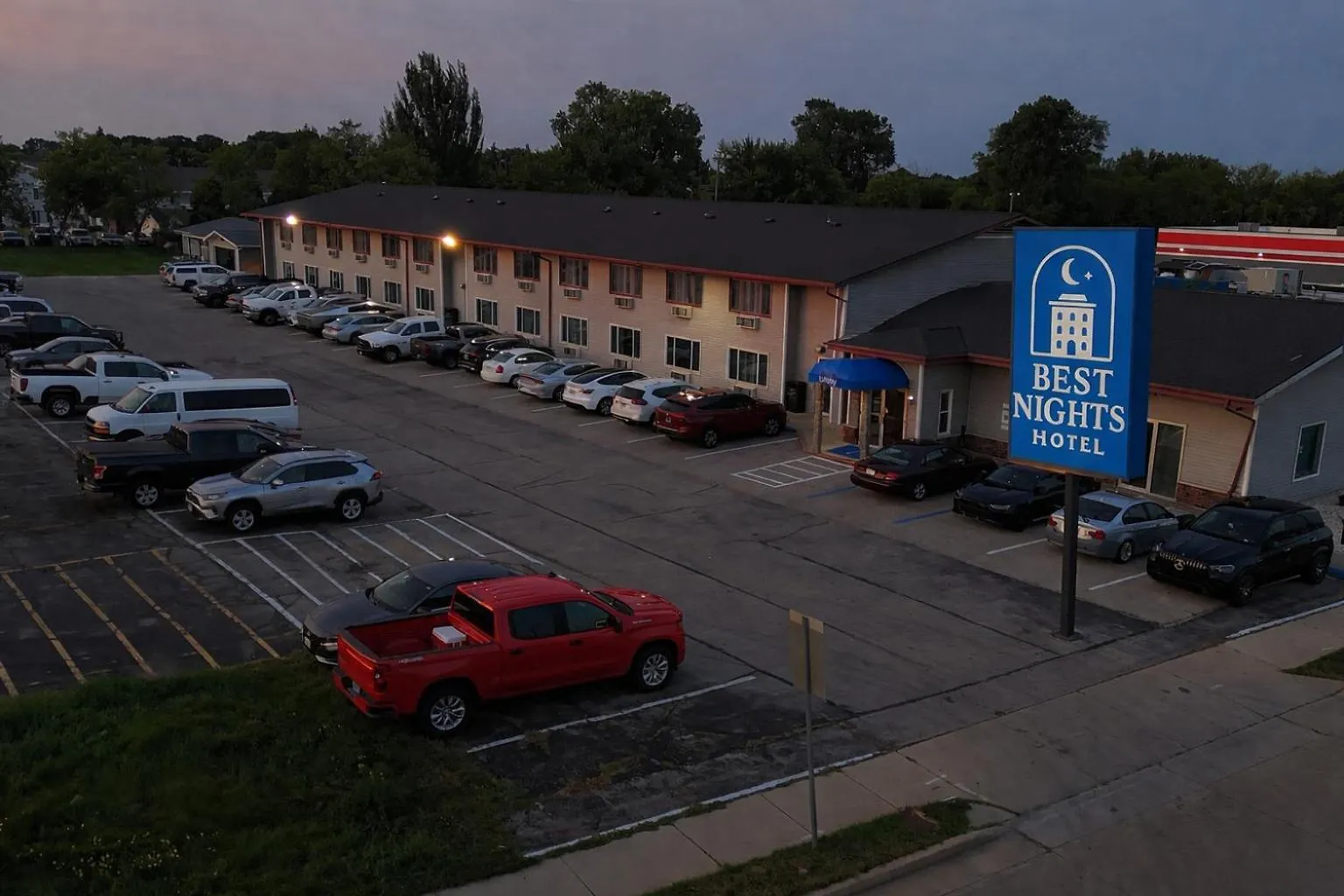
1. Best Nights Hotel
Show on map


 Check-infrom 15:00 until 23:59Check-outuntil 11:00
Just a few rooms left at the best rate!
fromUS$ 86
-
2. La Quinta Inn By Wyndham Wausau
Show on map


 Check-infrom 15:00 until 23:59Check-outuntil 11:00
Just a few rooms left at the best rate!
fromUS$ 67
-
3. Americinn By Wyndham West Bend
Show on map


 Check-infrom 15:00 until 21:00Check-outfrom 10:00 until 11:00
Just a few rooms left at the best rate!
fromUS$ 202
-
4. Cobblestone Inn & Suites - Menomonie/Uw-Stout
Show on map


 Check-infrom 15:00 until 23:59Check-outuntil 11:00
Hurry – almost gone at this price!
fromUS$ 120
Best Premium Stays
These properties stand out for stronger amenity packages, superior location connectivity, or facilities that justify a higher nightly rate within Wisconsin's mid-scale hotel market.
-
5. Clarion Pointe Racine - Mount Pleasant
Show on map


 Check-infrom 15:00 until 23:59Check-outuntil 11:00
Hurry – almost gone at this price!
fromUS$ 69
-
6. Hampton Inn & Suites-Hudson Wisconsin
Show on map


 Check-infrom 15:00 until 23:59Check-outuntil 11:00
Rooms filling fast – secure the best rate!
fromUS$ 110
-
7. Best Western Plus Wausau-Rothschild Hotel
Show on map


 Check-infrom 15:00 until 23:59Check-outuntil 11:00
Rooms filling fast – secure the best rate!
fromUS$ 125
Smart Timing & Booking Advice for Wisconsin
Wisconsin's travel calendar has two pronounced pressure points: late July around EAA AirVenture in Oshkosh - which draws around 600,000 visitors and fills hotels across the Fox Valley region weeks in advance - and the summer lake season running from late June through August, when properties near the St. Croix River in Hudson and the Lake Michigan corridor in Racine see occupancy climb sharply. Book Hudson and Racine properties at least 8 weeks ahead for summer weekends to secure favorable rates. September through early October offers a genuine sweet spot - fall foliage is active across central and western Wisconsin, temperatures stay comfortable for outdoor activity, and hotel rates soften compared to peak summer. Wausau and Rothschild properties benefit most from this window given proximity to Rib Mountain and cycling trails. Winter stays from December through February are viable for ski-focused visits to the Wausau area, but most other Wisconsin hotel markets run quiet with negotiable rates. Mid-week stays across the board average around 20% lower rates than weekend pricing, which is consistent across the branded mid-scale segment that dominates this hotel set. For Menomonie, avoid university move-in and graduation weekends in late August and mid-May without advance reservations - the Cobblestone fills quickly during those specific windows.


